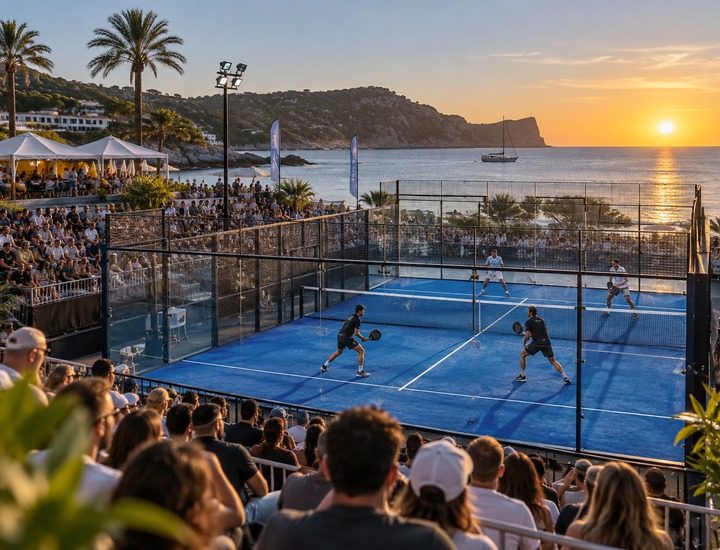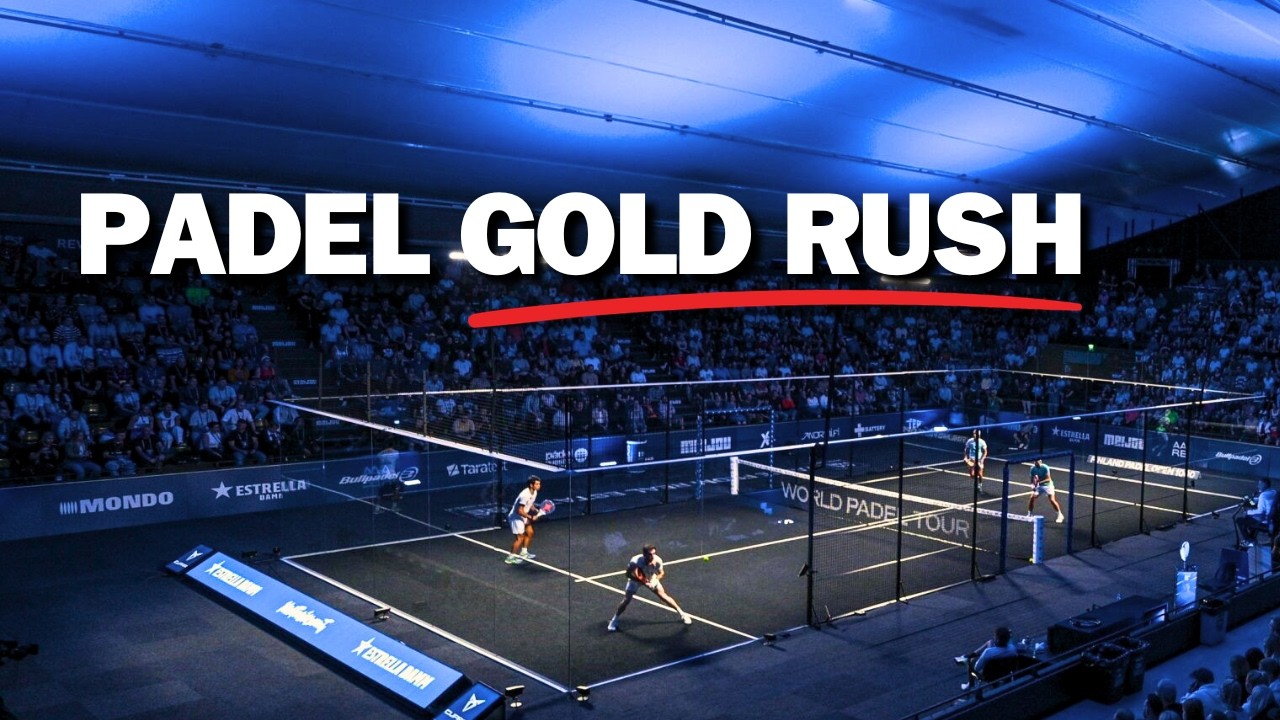





Padel has quickly gained popularity in South Africa. What began as a specialized pastime at elite clubs swiftly spread across the country. The sport became a cultural sensation because to social media videos, influencer appearances, and lively group discussions. Directories projected that there would be 600–900 courts spread across over 300 clubs by 2025, with Gauteng and the Western Cape driving the growth.
The hub is Gauteng.
According to aggregated data, Gauteng alone is home to about 130 clubs and about 450 courts. Due to the high demand, reservations for peak hours are frequently made days in advance, making the province the epicenter of padel in South Africa.
The viewpoint of the entrepreneur
Shezard Tayob, a franchise owner and former golfer on the Sunshine Tour, recognized the possibility early on. He bought equipment and clubs right away after playing his debut game in 2022. Courts were completely booked days in advance at peak hours. Opportunity was indicated by that scarcity. Padel began to resemble a business and ceased to be merely a pastime, he stated. Even though he acknowledges that not all of his endeavors are successful, Tayob is currently active in a number of clubs.
The market’s challenges
The cost of padel clubs is high. According to industry projections, a typical court will cost between R600,000 and R900,000 (about $31,000 to $47,000 USD) in 2025, while premium indoor courts can cost over R1.2 million (around $63,000 USD). Profitability is not certain due to site issues, competition, and weather-related disruptions. Due to poor performance, some venues have had to close or move.
Appeal to culture and lifestyle
Padel’s appeal stems in part from its suitability for contemporary lives. With a 90-minute session, it’s more accessible than golf but still has a lot of social value. In cities like Johannesburg, the experience is just as important as the sport. Clubs use elements like quick highlight recording systems to combine social media, technology, and hospitality. These synergies have been ingrained in the culture and are expected by players.
Cost and availability
The majority of courts charge between R350 and R500 (about $18 to $26) per hour, with off-peak rates falling to R250 (around $13 USD), according to club websites and booking platforms in 2025. The typical cost, divided among four participants, is R100 to R125 (about $5 to $7 USD) per person, making it high-end but still scaleable.
South Africa has established itself as one of the most active rising markets for padel, which is currently acknowledged as the sport with the quickest rate of growth in the world. What started off as a leisure fad has developed into a lifestyle economy that blends entrepreneurship, sport, hospitality, and content. Although not all clubs will endure, there is no denying the change in consumer behavior. Padel is not going anywhere.