




Key Takeaways
- During twice-weekly training sessions in Argentina and Spain, Diego Maradona famously described padel as “football in a box”.
- Nearly 20 million people worldwide played the sport last year, the 2026 Global Padel Report states.
- Rasheed Ho-Kim stresses that “the next chapter of padel in South Africa will be about development rather than simply expansion” if participation is to endure.
A recognizable excitement behind glass walls
Before padel became a global phenomenon, Diego Maradona regularly played twice a week at enclosed, glass-walled venues in Argentina and Spain as part of his training routine. The Argentine football great, who lit up the game during the 1980s, famously described the sport with the phrase “football in a box”.
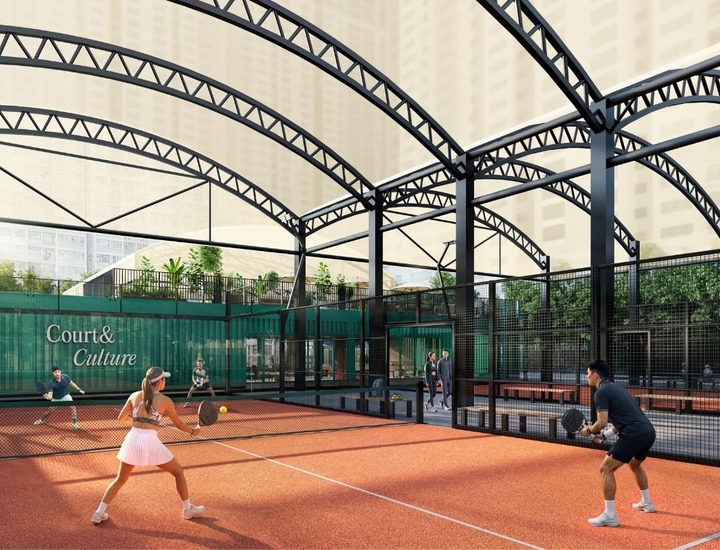
Played by pairs on a court enclosed by glass panels and wire mesh, padel brings together features of tennis and squash. Its appeal also extends beyond the court boundaries, offering something increasingly rare in modern sport: the uncomplicated excitement of trying a completely new activity. Those who grew up kicking balls or swinging bats in schoolyards can rediscover through padel the feeling of playing for the first time.
Although the surroundings are different, the excitement of learning fresh techniques and testing oneself against others is unchanged. Players enjoy grasping the fundamentals, experimenting with new strokes, and finding another detail to improve in every session. A beginner can take up a racquet and quickly join a competitive rally without years of coaching, while still having plenty of room to develop.
An accessible game with tactical complexity
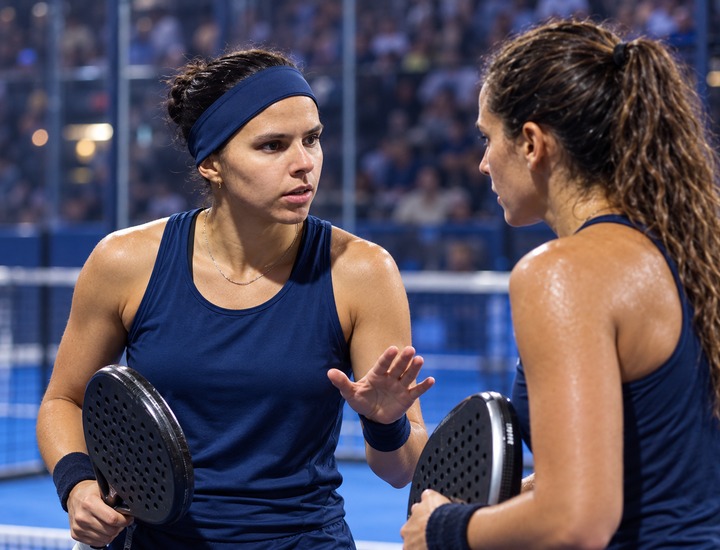
Experience in tennis or squash provides useful instincts, but even accomplished players have to adjust. The walls reshape how rallies unfold, and doubles play demands precise positioning, disciplined shot choices, and constant communication. An initially welcoming activity soon reveals itself as a sophisticated examination of touch and tactics.
Padel’s worldwide growth is underpinned by its blend of immediate accessibility and long-term technical demands. Beginners can enjoy the game straight away, whereas seasoned athletes are challenged by unfamiliar rebounds and angles. It combines genuine competition with an inviting social character, avoiding the intimidation that can accompany other sports.
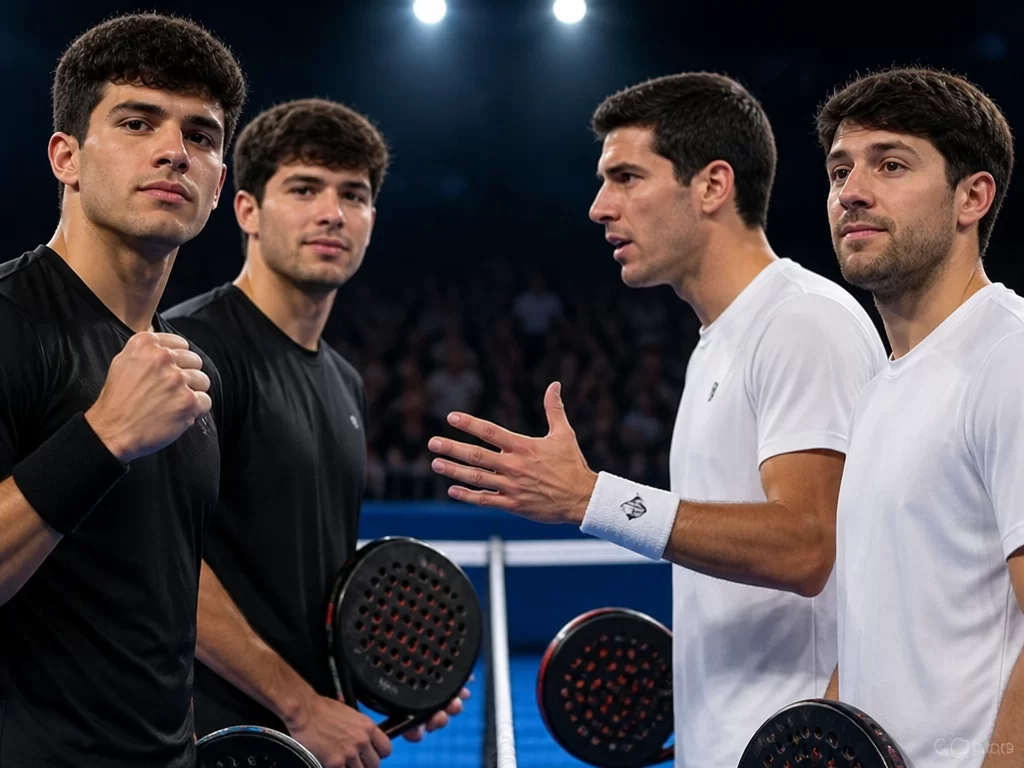
Prominent names from other sports have also been drawn to padel. Former Netherlands winger Arjen Robben now competes enthusiastically in tournaments, while Rafael Nadal and Cristiano Ronaldo have supported the game both as participants and investors. Former Bafana Bafana forward Shaun Bartlett is similarly involved on and away from the court in South Africa.
Cape Town venues build around padel’s social appeal
Padel originated in Mexico in the late 1960s and had almost 20 million active participants worldwide last year, according to the 2026 Global Padel Report. Spain, Italy, Portugal, and Argentina remain among its established power bases, but swift growth elsewhere is adding momentum to the campaign for possible Olympic inclusion.
Rasheed Ho-Kim believes the combination at the heart of padel explains why it has gained such domestic appeal at Arturf Padel Arena in Cape Town.
“Padel has managed to do something that many sports struggle with — it has made participation accessible without taking away the competitive element,” Ho-Kim explains.
In his view, no substantial background in sport is required for players to become involved immediately.
“You don’t need years of training to enjoy your first game, but the more you play, the more you realise how much there is to learn. That combination is what keeps people coming back,” says Ho-Kim.
Keeping players involved depends just as much on the social environment that has developed around the courts.
“People initially come for the sport, but many stay for the community,” notes Ho-Kim.
People who have never met are forming enduring playing partnerships at facilities that now serve as regular social hubs.
“We’ve watched complete strangers become regular playing partners, friendships develop across different age groups, and people who were never particularly active find themselves playing several times a week,” he adds.
For residents, regular matches have become an indispensable part of the week, helped by the wider sense of community.
“Padel has become more than a sporting activity. For many people, it’s part of their social routine,” Ho-Kim adds.
Building a long-term pathway for players
This outlook shaped Arturf Padel Arena’s launch in Paarden Eiland, where the venue first began operating in December 2023.
“We wanted to build a sporting environment where beginners felt just as welcome as experienced players, where people could train, compete, socialise, and become part of a community,” Ho-Kim says.
After opening with 6 courts, the Paarden Eiland site grew to 11 in May 2025, while Arturf also expanded to Villagers in Claremont in response to demand across the region. Such rapid development of facilities, however, brings substantial continuing costs and management responsibilities.
“There’s a great deal of investment behind every padel facility,” Ho-Kim says, pointing to recurring spending on staff, maintenance, security, and court technology.
With padel becoming established in South Africa, Ho-Kim believes its continued progress will depend on prioritizing player development rather than simply constructing more courts.
“The initial excitement around any fast-growing sport will eventually settle. What determines its future is whether people continue playing once the novelty wears off,” he says.
The sport’s long-term future depends on strong grassroots initiatives, specialist coaching, and clearly organized pathways for young players.
“The next chapter of padel in South Africa will be about development rather than simply expansion,” states Ho-Kim. “More courts alone won’t grow the sport. We need to introduce younger players, develop local talent, support coaching, and make the game accessible to people at different levels.”