



Key Takeaways
- As Argentina’s padel infrastructure grew to between 7,000 and 8,000 courts, CoKiBA recorded an exponential rise in physical therapy consultations.
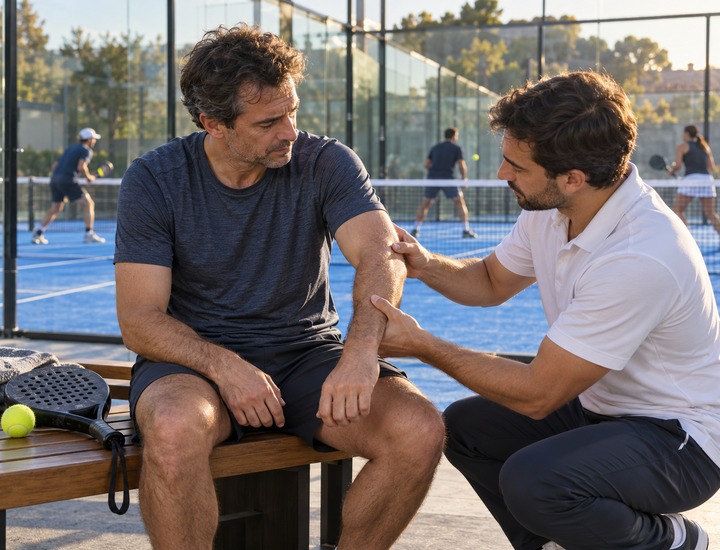
- Among amateur players, kinesiologist Alejandro Greco said the most common complaint was “epicondylitis, the famous ‘tennis elbow'”.
- Warning against overlooking discomfort that does not go away, Greco concluded that “many injuries resolve quickly if treated early.”
Boom in padel courts accompanied by rise in physical problems
Health professionals are calling for caution as Argentina’s rapid padel revival is accompanied by a sharp increase in sports injuries. The College of Kinesiologists of the Province of Buenos Aires (CoKiBA) says clinics have recorded exponential growth in consultations, with many beginners playing without adequate physical preparation.
Argentina now has between 7,000 and 8,000 active padel courts, up from approximately 4,900 in 2021-2022, according to industry data. An estimated 2,600 to 4,000 clubs operate these facilities, while more than 1,000 additional courts are in private settings. Between 2,000 and 3,000 new courts have been constructed nationwide in the past 5 years.
Injuries and conditions most frequently linked to padel
The recurring problems appearing in clinics are a direct consequence of increased participation, according to Alejandro Greco, a licensed kinesiologist, physiatrist, physical education professor, and CoKiBA representative.
When discussing the diagnosis seen most often, Greco said players primarily report “epicondylitis, the famous ‘tennis elbow'”.
Yet treatment is not usually confined to elbow trouble. Greco described a much wider range of physical conditions being treated in clinics.
He explained, “We also see shoulder injuries from repetitive overhead movements, ankle sprains, calf tears, lower back strains, and knee problems. These generally arise from a lack of physical preparation, poor technique, too many matches without rest, or inadequate equipment,”
Many of those suffering new injuries went directly from an inactive lifestyle into competitive play.
According to Greco, a large number of patients “started playing in recent years, many of them people who were sedentary and found in padel a way to move that is fun for them and not an obligation. But in most cases they did not take into account the prior physical adaptation.”
Physical rewards and the sport’s emotional appeal
Greco stressed that, despite the growing number of injuries, padel provides major physical benefits when played safely. Its rapid stops and changes of direction enhance coordination, balance, and proprioception, while also strengthening the lower body and improving stability in the shoulders and spine. These gains are especially useful for older adults and people returning from inactivity.
For amateur players, the sport’s psychological benefits are another major attraction.
Greco observed, “This exercise lowers stress levels. But padel adds something more: it demands full attention during the game and fosters connections. Many patients tell me that their weekly match is their time to disconnect and meet up with friends. This social component promotes adherence, which is the most difficult thing to achieve in any physical activity, and people keep coming because they have a good time,”
Expert guidance for lowering injury risk
Greco advised anyone beginning regular exercise to first undergo a full medical assessment, with particular emphasis on people aged over 40. Before entering the court, players should also warm up properly and prioritize mobility in their joints and muscles instead of starting the match cold.
Further precautions include wearing footwear designed for padel, choosing a suitable racket, and adding specific exercises to improve stability in the core, legs, shoulders, and forearms. Most importantly, players should not dismiss pain that persists.
Greco’s concluding message was “Many injuries resolve quickly if treated early,”