



Key Takeaways
- To manage tense moments in matches and resolve friction on court, Delfi Brea and Gemma Triay work with the same psychologist.
- Explaining the importance of maintaining separate personal space away from competition, Brea said, “We’re together almost all the time, except for the gym; there has to be some separate space.”
- As they defend the number 1 ranking, the Argentine offered practical examples of communication that keep the pair together, including “‘Come on, buddy,’ or ‘Let’s go back,’ ‘Come on, buddy, it’s okay,’ or ‘Let’s go back'”
Handling pressure and partnership at padel’s summit
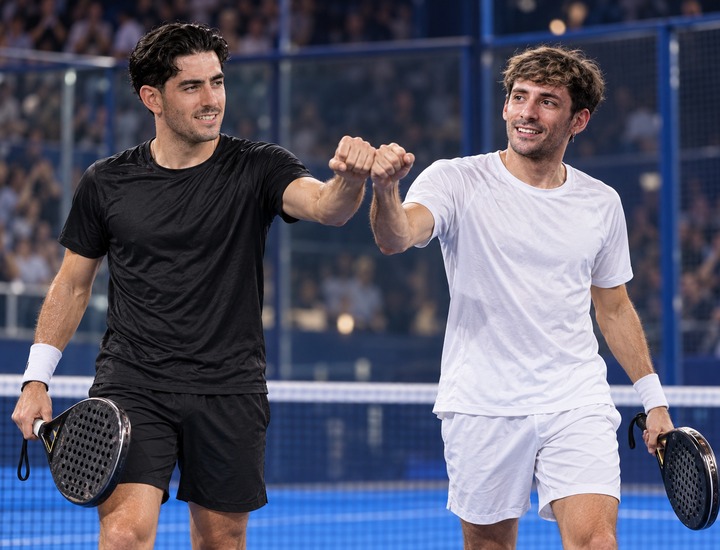
Delfi Brea and Gemma Triay sit at number 1 in 2026 after reaching an exceptional sporting level and making major sacrifices. Staying at professional padel’s summit, however, creates distinctive challenges within their partnership.
Speaking with Agustín Creevy, Brea discussed the day-to-day reality for partners who compete together and spend so much of their time alongside one another.
“We’re together almost all the time, except for the gym; there has to be some separate space,” Brea said while explaining how the partnership works.
Using professional help to handle tension
Preserving a strong partnership in difficult moments depends on handling on-court stress, particularly given the exceptional mental strain that elite sport puts on competitors.
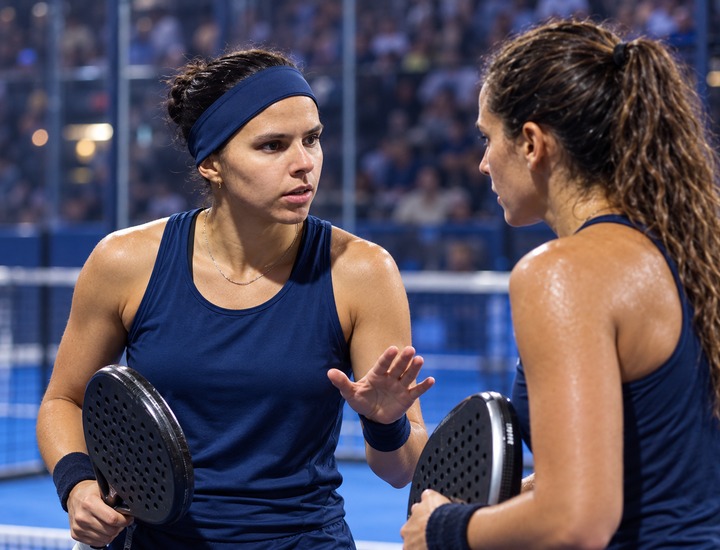
According to Brea, she and Triay rely on a psychologist they share to deal with demanding situations during tournaments.
“There’s a lot of friction in high-pressure, tense situations, so things happen during matches and then you have to talk ; it’s delicate,” the Argentine player acknowledged when discussing the emotional demands of competition.
Keeping on-court communication positive
Brea said that carefully selecting positive words during tense moments is crucial to preventing difficult passages of play from creating a harmful dynamic.
“You have to find the best way to say things,” Brea said as she outlined how they communicate during matches.
She also identified particular expressions they use to remain focused and lift morale when matches become difficult.
“‘Come on, buddy,’ or ‘Let’s go back,’ ‘Come on, buddy, it’s okay,’ or ‘Let’s go back’ are some tips,” she offered as concrete examples of encouragement.
The Seba Nerone-coached pair lead the standings heading into the season’s decisive phase, though they remain alert to the impressive form of Ari Sánchez and Andrea Ustero.
Triay and Brea: Milan results and ranking
Triay and Brea own a 58-14 win-loss record as a team in 2026. Their most recent match came on October 17, when they lost the semifinal 6-1 6-4 to Sanchez (world no.4) and Ustero (world no.7).
Milan, results, and ranking for Triay and Brea
Together, Triay and Brea have compiled a 58-14 record in 2026. They last competed on October 17, falling 6-1 6-4 in the semifinal against Sanchez (world no.4) and Ustero (world no.7).