



Key Takeaways
- Repetitive stress on the elbow, often worsened by an excessively heavy racket, makes epicondylitis the leading injury in padel.
- Ankle sprains are common because players change direction abruptly on hard courts, making herringbone-soled shoes important for improved traction.
- Preventing injuries and accelerating recovery depend on prompt medical assessment, adequate warmups, strength work and good hydration.
Balancing on-court physical demands with injury prevention
As padel has surged in popularity in recent years, numerous new courts have opened to serve players who now practice the sport regularly. Yet physical preparation remains a challenge for many amateurs. Taking to the court without sufficient conditioning or sound technique leaves them considerably more exposed to injury.
Racket selection and the prevention of epicondylitis
Among padel competitors, no problem is reported more often than epicondylitis, which involves inflammation of the tendons along the outside of the elbow. Repeated elbow actions, combined with the impact generated while gripping the racket and striking the ball, cause the condition. An overly heavy racket is often a contributing factor, so players should opt for a lighter model and improve both their grip and stroke technique to strengthen the muscles and prevent injury.
How court surfaces and footwear affect ankle sprains
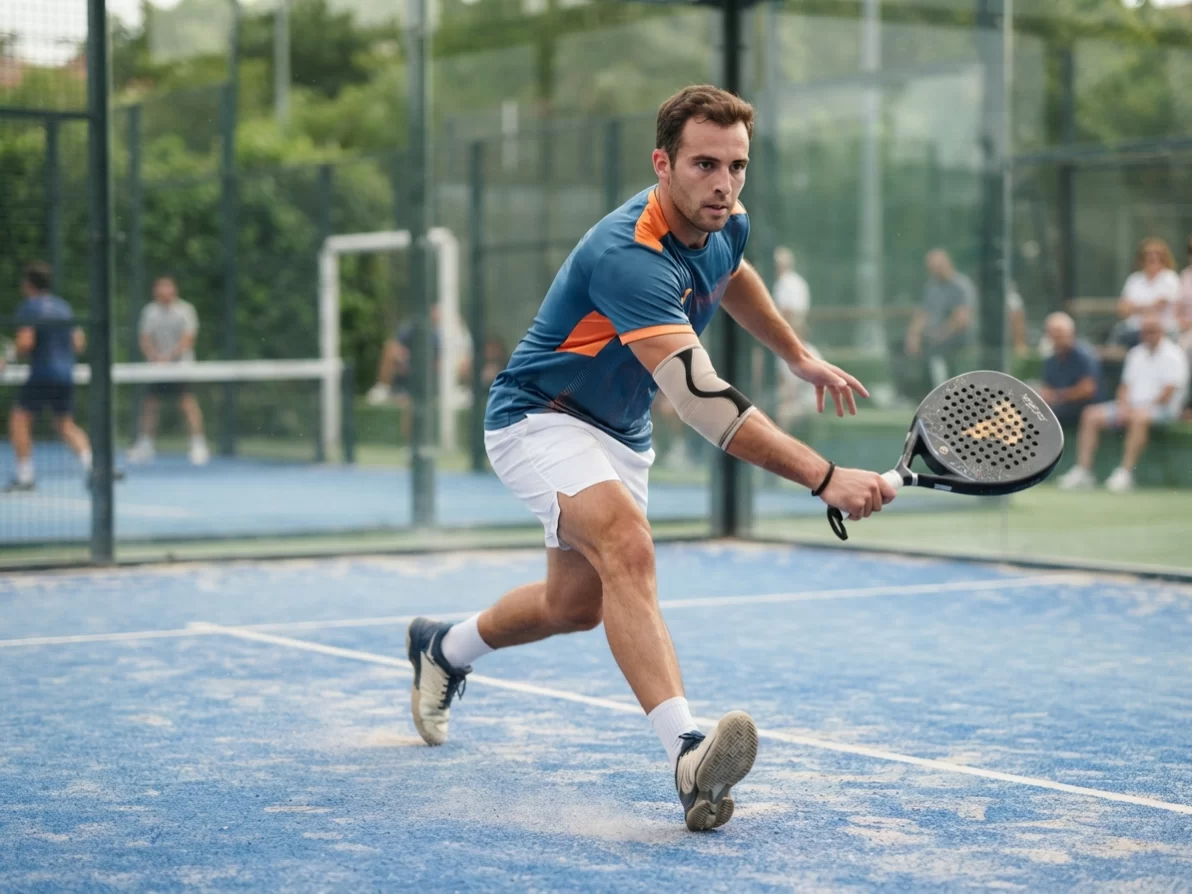
Hard padel courts and abrupt directional shifts while sprinting put substantial pressure on the ankles, making sprains another common problem for competitors. Comfortable, appropriate shoes with a herringbone tread can provide the necessary grip and help lower the risk of an ankle twist.
Protecting shoulders and knees from heavy stress
During play, the greatest strain falls on the shoulder and knee joints. The wide reach and racket-swinging motions place the shoulders under stress, whereas rapid runs and sudden stops generate powerful forces through the knees. Specialists advise controlling the amount of power applied to smashes and strengthening these susceptible joints through off-court exercises.
Why prompt assessment and clinical care matter
Sports medicine departments in both public and private healthcare systems offer medical and physiotherapy support to players experiencing discomfort, helping to shorten recovery periods. According to the Spanish Society of Orthopaedic Surgery and Traumatology, early treatment and preventive measures lead to better diagnoses and quicker rehabilitation.
Any pain or unfamiliar sensation should prompt competitors to consult a traumatologist immediately. For sustained participation, essential precautions include warming up thoroughly, eating properly, staying consistently hydrated and responding quickly to warning signs such as swelling, sudden twinges or reduced strength.