




Key Takeaways
- Padel studies largely examine competitive performance, anxiety and confidence, whereas pickleball research centers on social integration and happiness, according to a systematic review of 14 studies.
- The researchers offered the following summary: “Padel studies primarily target performance aspects like self-confidence, anxiety, and mental fatigue, while pickleball research highlights wellbeing gains in life satisfaction, happiness, and social integration.”
- The existing literature has notable constraints: every study was observational, and all were conducted in Spain, Finland or the United States, the researchers noted.
Scientific review finds padel and pickleball have different psychological effects
Researchers Lena Lauxtermann and Brendon Stubbs examined the cognitive and emotional effects of padel and pickleball in a systematic review published in Frontiers in Psychology. Although the mental-health benefits of physical activity are well established, their analysis found that these emerging racket sports have developed different psychological profiles, both in their effects on participants and in the way each has been studied so far.
In their summary, the authors stated: “Padel studies primarily target performance aspects like self-confidence, anxiety, and mental fatigue, while pickleball research highlights wellbeing gains in life satisfaction, happiness, and social integration.”
Research split between competitive performance and community wellbeing
The review, carried out by a University of Vienna team led by Lauxtermann, covered research available through October 8, 2024. After screening 71 records, the team assessed 14 observational studies involving 1,403 people. About 589 participants, representing 42% of the total, were women. Eight studies examined 538 padel players, while the other six involved 865 pickleball enthusiasts.
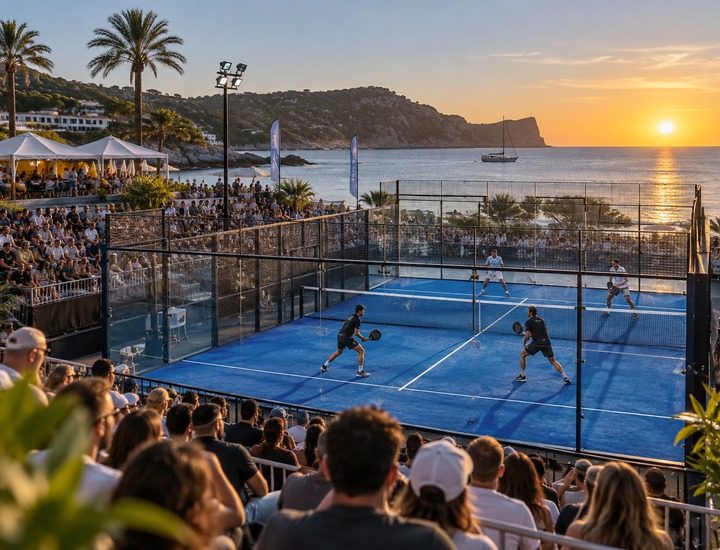
Psychological health, rather than conventional measures such as fitness, injuries or physical performance, was the review’s focus. Pickleball studies mostly examined recreational participation among older adults, presenting the sport as a contributor to social connection and life satisfaction. More frequent involvement was associated with greater happiness and lower depression, with social integration particularly important for female competitors. When COVID-19 restrictions prevented access to courts, loneliness increased directly.
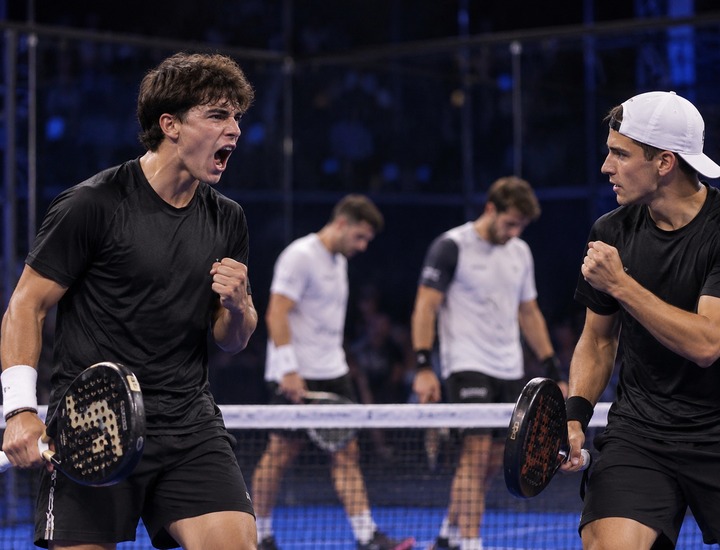
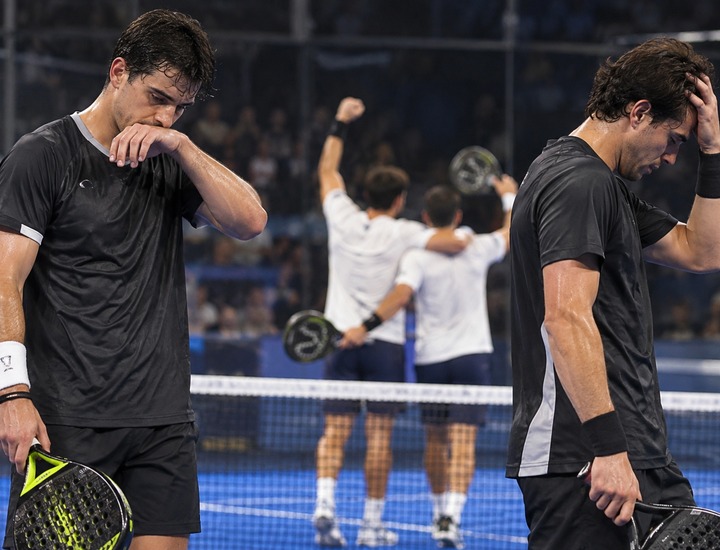
Padel research, by contrast, has dealt almost exclusively with competitive players and their management of emotions during matches. Players at higher levels showed more self-confidence and reported fewer physical signs of anxiety. Ranking, gender, match stage and the final outcome all had a strong influence on changes in emotional strain.
Research gaps and the effects of mental fatigue
Mental stamina was also affected by the intensity of padel competition, the review found. Playing matches in succession produced significant mental fatigue, associated with reduced shot accuracy and slower reactions. Yet motivation often rose during mentally demanding encounters, helping explain how players continued competing even while exhausted.
The authors nevertheless identified major shortcomings in the available evidence. None of the studies was a randomized controlled trial; all were observational, so it remains impossible to establish conclusively that either sport prevents depression or anxiety. The research was also limited geographically to three countries—Spain, Finland and the United States—underlining the need for studies in more regions as padel and pickleball expand worldwide.