




Key takeaways
-
An incorrect grip restricts pronation and topspin, reducing smash effectiveness
-
Body rotation and a fluid, relaxed swing produce more power than forcing the shot
-
Consistency requires an accurate contact point and a clear understanding of personal limits
Selecting the proper grip
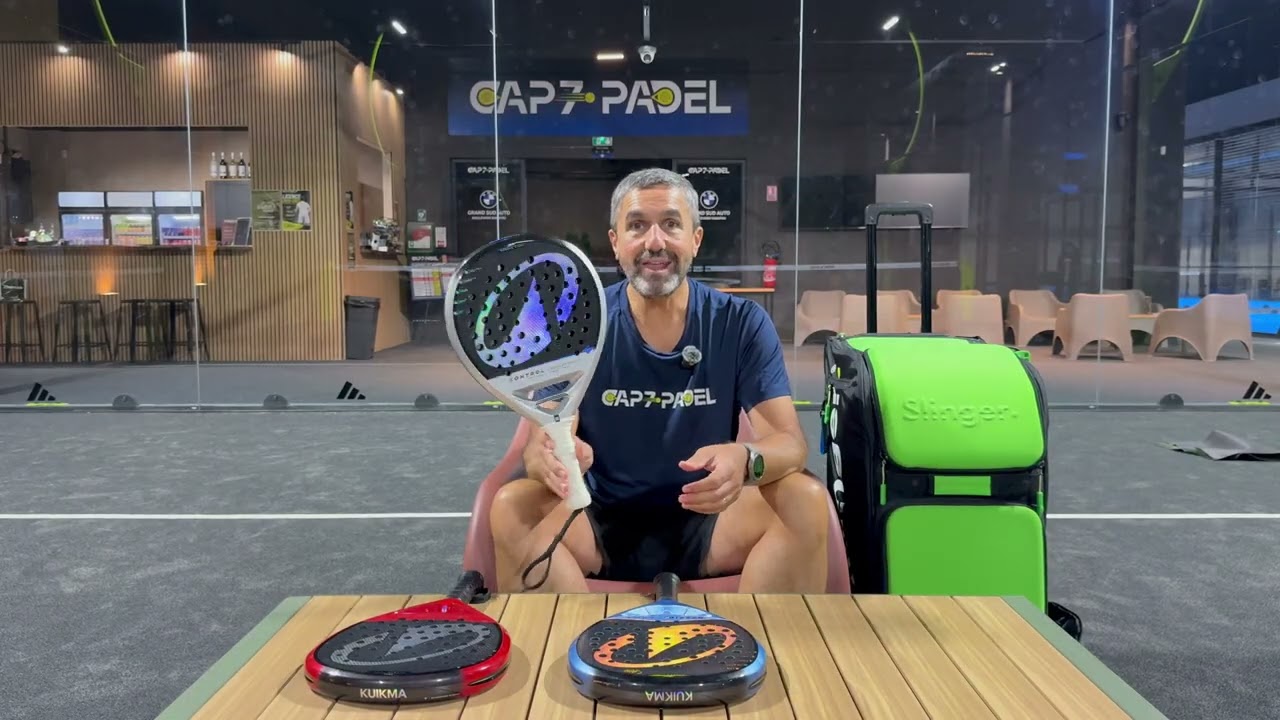
The continental and Eastern backhand grips provide greater spin and control, particularly when smashing from farther back on the court. Yet many padel players instinctively choose an Eastern forehand grip because they expect it to deliver the most power. This common mistake instead limits forearm pronation and makes topspin harder to produce. Coach Gonzalo explained: “What you really want to do in the smash is get on top of the ball, and you are only able to do that with the continental grip,”
Staying relaxed through the swing
Trying to strike the ball with maximum force is another widespread problem, as muscular tension makes the swing shorter and less efficient. Gonzalo said the entire kinetic chain should contribute to a loose, flowing smash. Players can learn to remain relaxed and accelerate naturally at contact through drills such as throwing balls against the glass or practicing without the racket strap.
Rotation and body alignment
Facing sideways allows players to combine leg drive with hip and shoulder rotation, transferring more energy into the smash. Those who remain facing forward cannot use the body as effectively and rely too heavily on the arm. Gonzalo noted that the same principle applies in golf, tennis, and boxing, where rotation plays a central role in producing power.
Finding the correct contact point
For better height, control, and weight transfer, players should meet the ball slightly ahead of and above the head while fully extending the arm. Contacting it too far out to the side makes those objectives more difficult. Gonzalo added that striking to the left of the head can produce topspin, but warned that repeatedly using this demanding technique may harm the back.
Managing the bounce and your limits
The bounce location also influences whether a smash succeeds. A ball landing too near the glass will not climb sufficiently to come back onto the player’s side, so an earlier bounce is needed for it to reach the glass at its highest point. Gonzalo concluded by underlining the need for players to recognize their own limitations: “You have to be realistic. Maybe you’re playing in a really slow court and it’s not the day for the smash, and that’s fine.”
Smash training drills
Gonzalo advises beginning near the glass with drills that develop the grip, pronation, and a relaxed swing. Players should work on turning sideways, holding the racket correctly, and accelerating smoothly before progressively increasing their distance from the glass. This gradual approach builds confidence and consistency until they can regularly bring the smash back into their own court.