

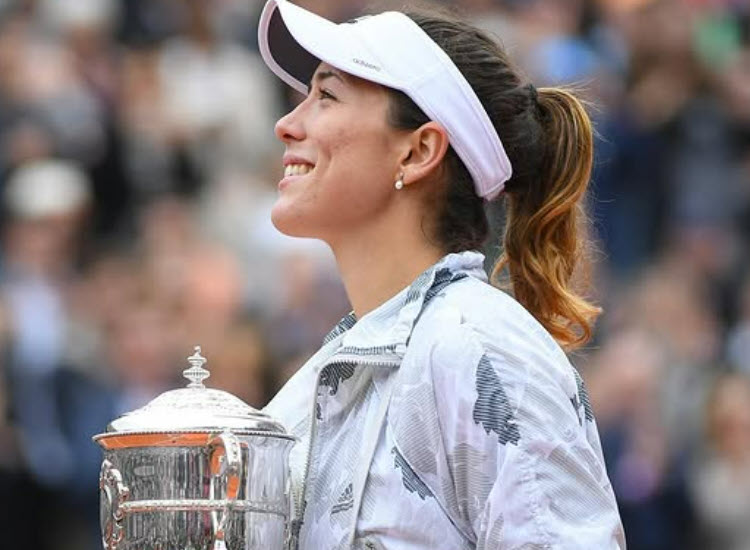
Garbine Muguruza, a two‑time Grand Slam champion and former world No. 1, has offered a candid perspective on the physical differences between male and female tennis players. Speaking openly about her own experience, she emphasized that the gap is substantial and goes far beyond raw power.
In her words, “I think a junior would beat me even if I were ranked No. 1… It’s a huge difference. It’s not just power… Physically, the muscles, the stamina a man has… It’s many things.” Muguruza explained that even during her peak years, practice sets against male juniors often left her frustrated, highlighting how difficult it was to win games against players who were not yet professionals.
The Spaniard also mentioned her own family as an example, noting that she could not defeat her brothers despite their not being top‑ranked professionals.
A look back at Muguruza’s career
Muguruza turned professional in 2012 and quickly rose to prominence. She captured her first Grand Slam title at Roland Garros in 2016 and followed it with a Wimbledon triumph in 2017. That same year, she reached the world No. 1 ranking, becoming one of the most accomplished players of her generation before retiring from professional tennis in 2024.
Her reflections now come from a place of experience, shaped by years of competing at the highest level and training with a wide range of sparring partners.
Sabalenka vs. Kyrgios: a different kind of matchup
The discussion around gender differences has resurfaced as current world No. 1 Aryna Sabalenka prepares to face Nick Kyrgios in an exhibition match in Dubai. Sabalenka, a four‑time Grand Slam champion, has dismissed criticism and expressed confidence in her ability to challenge the 2022 Wimbledon finalist.
Muguruza, however, believes the match should not be compared to the historic Billie Jean King vs. Bobby Riggs “Battle of the Sexes.” She clarified that the upcoming event has a different tone and purpose.
As she put it, “This is more like, let’s do this for fun. She seems very motivated, so I’m curious to see what’s going to happen.”
A conversation that continues
Muguruza’s remarks add another layer to the ongoing conversation about gender, athletic performance, and how exhibition matches between male and female players are perceived. Her honesty underscores the complexity of comparing the two circuits, while also acknowledging the entertainment value and curiosity such events generate.