
Padel’s simplicity has led to its quick global growth. Beginners may enjoy competitive rallies almost instantly thanks to the smaller court, enclosed walls, and doubles format. Padel encourages intuition and teamwork, while tennis requires time to master technique. Its appeal in Europe, Latin America, and now Africa has been propelled by its accessibility.
These numbers vary according on the area.
The true cost of constructing a court
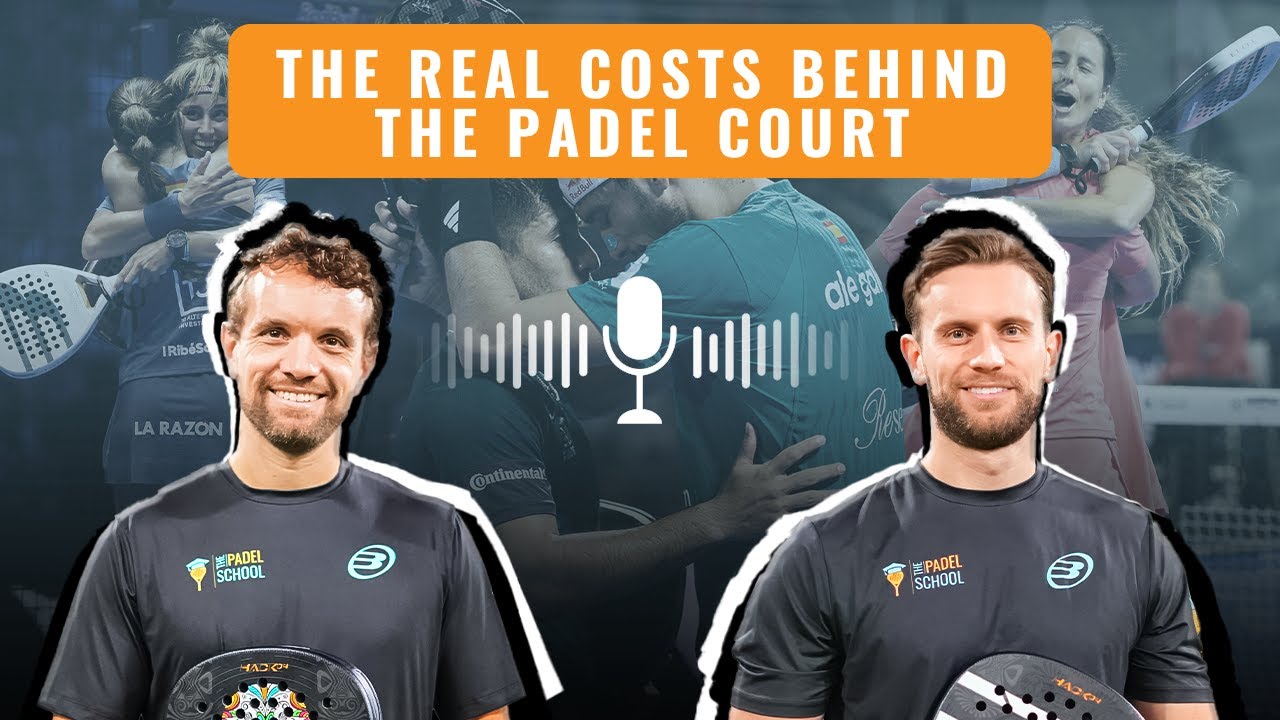
Padel courts are costly to build, even if the gameplay is simple. Industry projections indicate that, depending on design, materials, and location, the cost of constructing a single court in 2025 could range from €40,000 to €60,000. When lighting, grass, and installation are taken into account, panoramic models—which are preferred for professional venues—can cost more than €100,000. Among the factors influencing these expenses are:
Specialized glass walls are impact-resistant, reinforced panels.
Steel structures: sturdy frames for confined play.
Professional turf: surfaces made to prevent injuries and bounce consistently.
Lighting systems are frequently the priciest add-on and are necessary for evening play. References:
Challenges with accessibility
Expensive hourly rental fees and club memberships are a direct result of high development expenses. Padel is still only played by wealthy players or exclusive clubs in many locations. Compared to sports like basketball or football, which require less infrastructure, this restricts its accessibility. Industry experts argue that without affordable facilities, padel risks stagnating despite its popularity. According to one assessment, “court access is the biggest barrier to padel’s growth.”
Ways to make things more affordable
Cost-cutting innovations are being developed. With prices ranging from €5,000 to €10,000, portable padel kits enable short-term setups in outdoor areas or gyms. Municipalities in Spain and Italy have also begun subsidizing public courts, recognizing padel’s social and health benefits. Some teams test out shared ownership schemes, in which teams of players pool their money to construct a court. This approach lowers individual costs and fosters community engagement.
The accessibility of padel in the future
For padel to truly become a global sport, the challenge lies not in teaching people how to play but in ensuring they have a place to play. Lower-cost construction methods, public investment, and creative ownership models could transform padel from a niche pastime into a widely accessible activity.