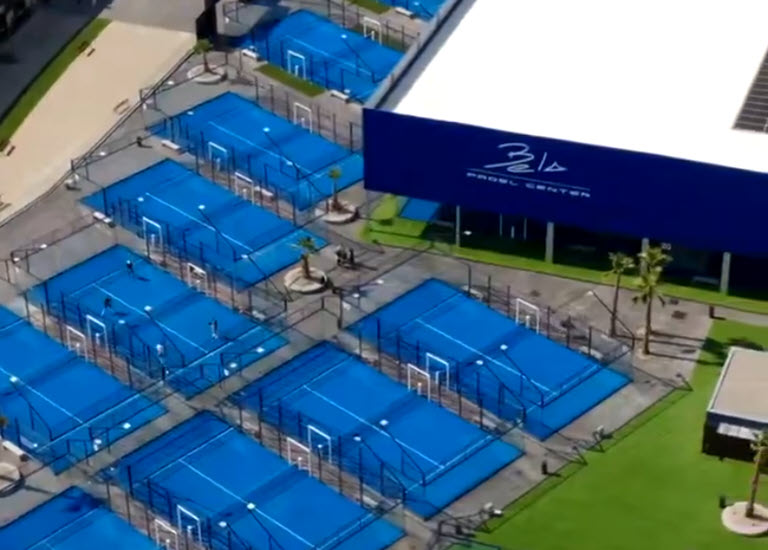


A clear image of a sport on the rise is shown in the recently published State of Padel in the U.S. Report 2025. The 60-page report, which was put together by racquet sports industry veteran Patricio Misitrano, shows that padel has become increasingly popular, with 688 courts currently located in 180 venues across the country. The construction of more than half of these courts in the last 12 months indicates a sharp increase in infrastructure.
Forecasts indicate rapid expansion.
According to Misitrano Consulting, there may be 6,800 courts and almost a million players in the United States by 2030. The strategic choices taken now about marketing, investment, and facility development will determine this estimate. According to the report, the expansion of padel is not theoretical; rather, it is already under way and is accelerating.
Principal forces behind the growth of padel
The growth of padel is being driven by a number of causes. The scene is changing as a result of RacquetX’s influence, Premier Padel’s entry in Miami, and the rise of tech platforms. Padel Haus, Ultra, Reserve, and other cutting-edge club models are raising the bar, and celebrity endorsements are expanding the sport’s appeal. Together, these components create a vibrant ecosystem that fosters play at both the amateur and professional levels.
Untapped potential is revealed by infrastructure inadequacies.
The United States continues to face a major infrastructure challenge in spite of the development. The country is significantly behind Sweden and Spain, where the ratios are closer to 2,000 and 3,000, respectively, with about 505,000 persons per padel court. This disparity emphasizes the necessity for focused investment in facilities across various locations as well as the possibility for growth.
Emerging marketplaces and regional diversity
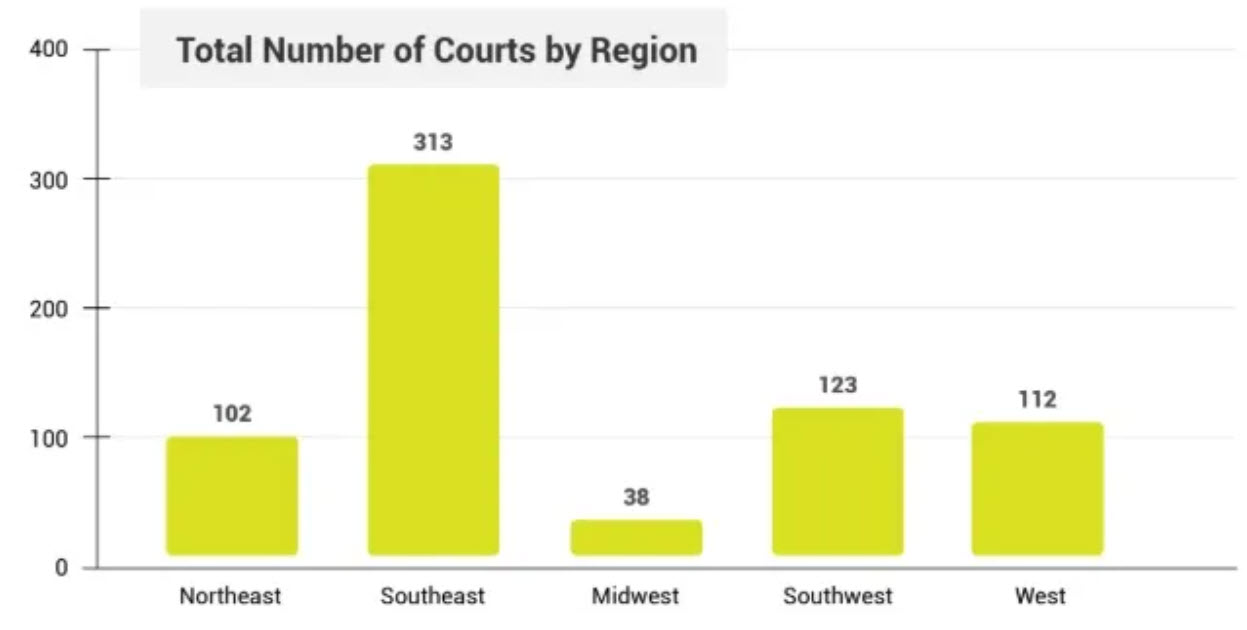
Although the majority of courts are now found in coastal towns and southern regions, the report points out that padel is becoming more popular elsewhere. Every region contributes a unique blend of player demographics, court models, and expansion tactics. Padel’s indoor-first expansions in urban areas and colder regions are changing the game’s location and style.
A quick path to national renown
According to the analysis, padel is a short-term breakthrough chance rather than a long-term experiment in the United States. The sport is set to emerge as a significant force in the recreational and competitive landscape of the United States due to its worldwide momentum and its crossover appeal. Within five years, the market—which includes clubs, competitions, equipment, and technology—is anticipated to grow to hundreds of millions of dollars yearly.
Advice for business executives and investors
The research provides strategic insights into rental rates, club models, and geographical trends in addition to raw data. Additionally, it looks at how pickleball and technology may work together, offering hybrid facility types that can serve a variety of patrons. Now is the time to take action if you want to be a leader in the racket sports industry.