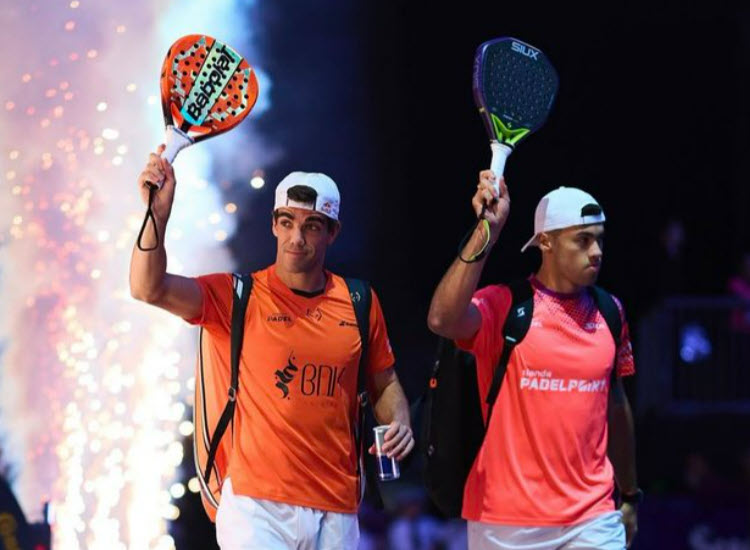

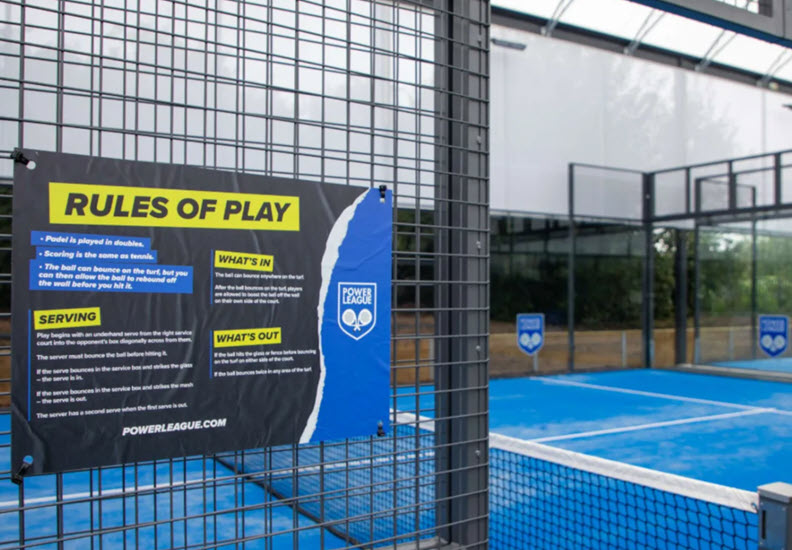
Edinburgh’s Portobello, a seaside district, is getting ready to welcome padel, which is frequently called the sport with the highest rate of growth in the world. Powerleague, which is well-known for its 5-a-side football fields, is adding three covered padel courts to its lineup so that games may be played in all weather.
A sport that promotes tolerance and enjoyment
Padel is a fast-paced racquet sport that combines aspects of squash and tennis. It promotes constant play and fast reflexes and is played on a smaller court surrounded by steel mesh walls and glass. Usually played in doubles mode, the game emphasizes coordination and teamwork. Its accessibility is what makes it so appealing; players don’t need to be extremely skilled or fit to enjoy the game.
Powerleague provides contemporary facilities to aid in the expansion of padel.
The clubhouse, bar, changing areas, and food options at the new Portobello padel site will create a friendly atmosphere for both novice and expert players. In order to foster a sense of community around the sport, locals will have the option to pay to play, attend introductory sessions, take lessons, or take part in social matches.
Padel’s voyage from Mexico to the United Kingdom
The first formal court was constructed in 1969 by Mexican industrialist Enrique Corcuera, marking the beginning of Padel. The sport eventually made its way to the UK after spreading to Argentina in 1975 and Spain in 1974. The Lawn Tennis Association took over as the national governing body in 2020 after the UK Padel Federation was founded in 2011. As evidence of the sport’s explosive growth, there were 760 padel courts in Britain by the end of 2024.
Portobello becomes part of an expanding nationwide movement
The new courts in Portobello represent another step towards making padel more accessible as its popularity soars throughout the United Kingdom. Padel appeals to people of all ages since it fosters social contact, encourages physical activity, and has low entrance hurdles. Padel has the potential to establish itself as a mainstay in British sports culture if more towns adopt it.