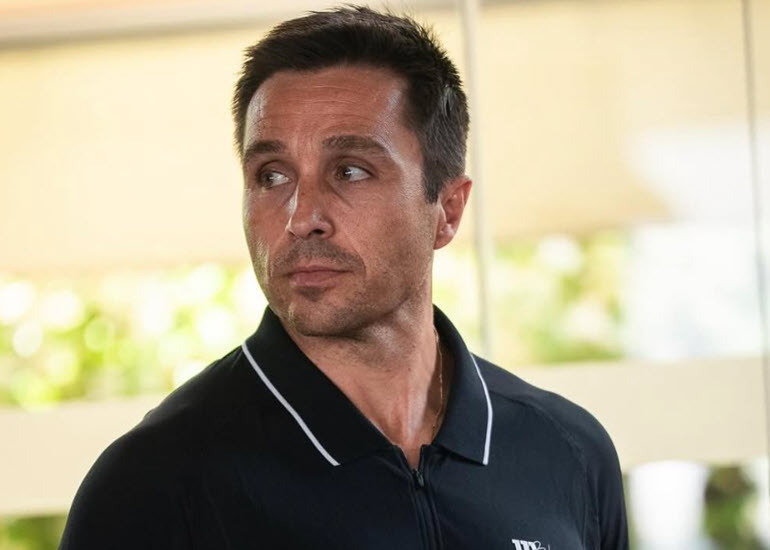


Emil Ruusuvuori’s journey into professional tennis started with promise and momentum. The Finnish player quickly emerged as one of the most exciting young talents on the ATP Tour, climbing the rankings with grit and determination. His powerful baseline game and icy composure made headlines and stirred hope in a nation eager to see a successor to Jarkko Nieminen. By his early twenties, Emil had cracked the Top 50—an achievement that marked him as one of tennis’s rising stars.
Cracks Beneath the Surface
What fans didn’t see were the mounting psychological challenges Emil was facing behind closed doors. As the pressure grew, so did an invisible struggle. Panic attacks crept into his daily routine, and burnout began to dull his passion for a sport he once adored. The intensity of professional competition, the relentless travel, and the expectations weighed heavily on him. He found himself questioning not just his performance—but his identity and purpose.
Breaking Down on Court
Emil describes moments where, during matches, his mind would spiral beyond the game. There were times when he broke down emotionally while playing—moments where the physical exertion was overshadowed by internal anguish. His body was present on court, but his thoughts drifted far from the baseline rallies. It wasn’t just about losing points—it was about losing a sense of connection to himself.
Searching for Meaning
These episodes prompted a deeper reckoning. Emil began to explore existential questions—about the role tennis played in his life and the meaning of it all. He had dedicated years to mastering a craft that now seemed distant and disjointed. The same sport that had brought him joy began to feel hollow. Rather than pushing through with silence, Emil chose reflection and eventually stepped away, seeking clarity away from the game’s bright lights.
Speaking Up and Starting Over
In opening up about his mental health journey, Emil brings visibility to struggles that athletes often hide. His candor invites a broader conversation about emotional well-being in sports. It’s a rare glimpse into vulnerability—not as weakness, but as a human response to relentless pressure. Emil’s story isn’t one of giving up—it’s about recognizing the need to heal and redefine success on his own terms. Now, with renewed perspective, he’s stepping back into the world with the quiet strength of someone who knows the importance of choosing life over legacy.