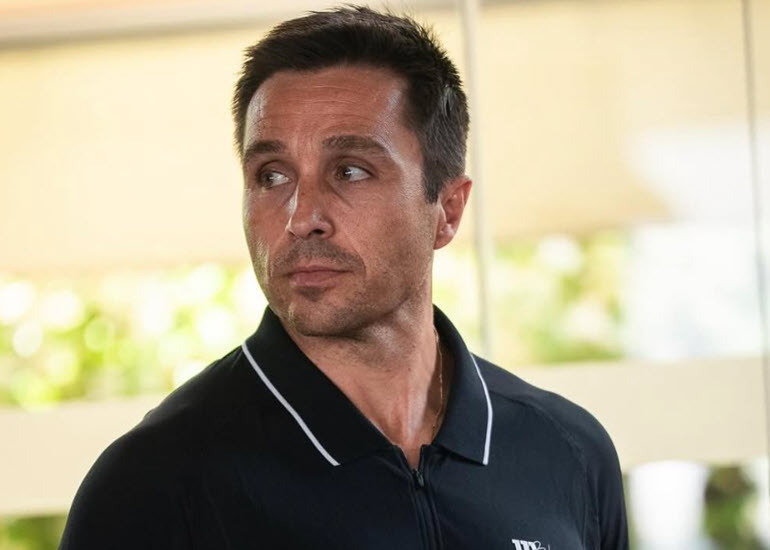



During an interview with Clay at Wimbledon 2025, Goran Ivanisevic expressed deep concern about the mental well-being of players on the professional tour. Sitting near Centre Court, the former champion and current coach shared that many athletes are battling emotional strain. “When I listen to players, everyone’s on antidepressants,” he revealed, pointing to the intense isolation and pressure that comes with life on the circuit.
Zverev’s emotional admission
Ivanisevic mentioned Alexander Zverev’s recent remarks after his first-round exit, where the world No. 3 spoke candidly about feeling emotionally depleted. Zverev described himself as being in a “bad place” and “quite alone in life,” acknowledging that he was exploring therapy for support. His openness sparked widespread conversation about mental health in professional sports.
The weight of expectations
Ivanisevic spoke of the psychological burden players carry from constant travel, media scrutiny, and the pressure to perform. “Tennis is the least of their problems,” he said, noting that off-court challenges often overshadow technical or physical difficulties. He emphasized that many players mask personal pain behind their competitive personas.
A call for greater support
Now coaching Stefanos Tsitsipas, Ivanisevic urged teams and governing bodies to prioritize emotional wellness alongside athletic training. He described Tsitsipas as “physically a disaster” and stressed the importance of addressing personal struggles. The message was clear: mental health must be treated as a foundational part of any player’s development.
Moving forward with empathy
As more athletes speak out, Ivanisevic’s reflections add urgency to the conversation around support and care in elite tennis. Zverev’s vulnerability and Ivanisevic’s honesty reinforce the idea that acknowledging emotional struggles is a sign of strength. The sport, often celebrated for its resilience, now has a chance to redefine what true support looks like.